
KI-Generatoren
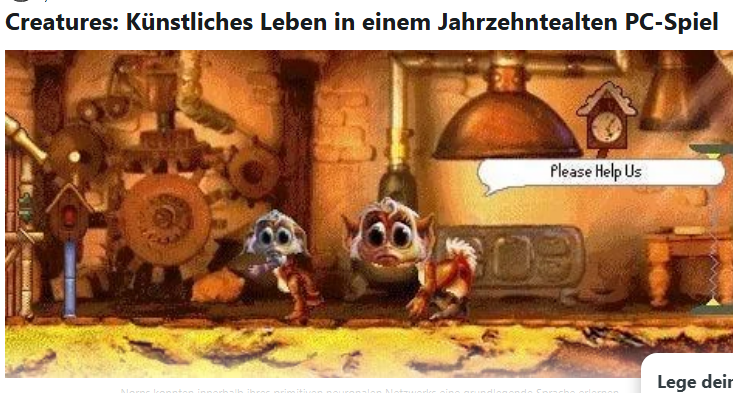
Artificial Intelligence (AI) generators are sophisticated systems designed to create content, be it text, audio, images, or even games, through algorithms that mimic human creativity. These generators utilize machine learning techniques and vast amounts of data to produce outputs that can be startlingly original or eerily human-like. In the gaming world, AI generators play a critical role in creating dynamic environments, developing character behavior, and crafting narratives that enhance player engagement and immersion. One notable application of AI in gaming is the development of AI games known as "Creatuires." This term describes a range of games that leverage AI to create unique creatures or characters that can interact with players in unpredictable ways. The concept was popularized in titles that allow players to design and customize their own characters, which then evolve, adapt, and learn from their interactions within the game world. Such creative gameplay not only enhances user experience but also adds a layer of depth and unpredictability, as these AI-generated creatures can exhibit behaviors that may surprise the player. The journey of AI in gaming has evolved significantly from its inception to the current day.
Early Development (1950s - 1980s) AI in gaming started in the 1950s with basic algorithms and rule-based systems. Early games like "Tennis for Two" (1958) and "Spacewar!" (1962) showcased minimal AI capabilities, primarily relying on predefined rules. However, as technology advanced, so did the complexity of AI. By the 1980s, games began incorporating more sophisticated AI techniques, allowing for improved enemy behavior and basic decision-making processes.
The Golden Era of AI Gaming (1990s - 2000s) The 1990s marked a turning point for AI in games, with the introduction of pathfinding algorithms and state machines that allowed characters to operate in more dynamic environments. Titles such as "Civilization" and "The Sims" utilized these technologies, introducing players to more complex simulations where AI-controlled entities could manage resources, establish relationships, and evolve over time.
The Rise of Machine Learning (2000s - 2010s) With the increasing power of computing, machine learning techniques such as neural networks began to be integrated into game design. AI started to not only execute strategies but to learn from player interactions, making gameplay more engaging. Games like "Left 4 Dead" employed AI director systems to adjust difficulty in real-time, providing each player with a tailored experience that kept the excitement high.
The Modern Era: Deep Learning and Procedural Generation (2010s - Present) In recent years, the advent of deep learning has revolutionized AI game development. Developers can now create intelligent systems that can analyze vast amounts of data and generate content that feels fresh and unique. Procedural generation techniques have led to games like "No Man’s Sky," where entire worlds are created and populated by dynamically generated flora, fauna, and civilizations—all powered by AI. Moreover, advancements in Natural Language Processing (NLP) have given rise to more interactive AI characters. Games such as "Detroit: Become Human" showcase profound narrative depth achieved through AI-driven conversations and character development, allowing players to influence plots through dialogue choices and moral decisions. As we look towards the future, AI generators and their applications in gaming continue to promise more realistic, engaging, and interactive experiences. The development of AI-driven tools is set to empower creators, letting them focus on storytelling and artistic direction while AI handles the complexities of creating expansive and diverse game worlds. The evolution of AI in gaming not only transforms how games are made but also how players experience and interact with virtual worlds. With ongoing advancements, it is an exciting time for both developers and gamers alike.
Die Möglichkeiten zur Kommunikation mit KI-Agenten
The communication between users and AI agents is a multifaceted topic that encompasses various methods and technologies, each designed to facilitate interaction in a user-friendly and efficient manner. Here are some of the prominent ways through which users can engage with AI agents in conversation:
1. Text-based Communication: - Chatbots: One of the most common forms of AI interaction, chatbots can be found on websites, messaging apps, and social media platforms. Users can text their queries, and the AI responds in real-time. Chatbots can be rule-based or use natural language processing (NLP) for more nuanced conversations. - Email Interaction: Some AI agents can process and respond to emails, allowing users to communicate their requests or queries through a more traditional medium. AI can categorize emails, provide auto-responses, or suggest actions based on the content of the received emails.
2. Voice-based Communication: - Voice Assistants: Applications like Amazon Alexa, Google Assistant, and Apple Siri enable users to speak directly to AI agents. Users can ask questions, set reminders, control smart devices, and perform various tasks simply by using their voice. This hands-free approach is particularly useful in situations where typing is impractical. - Speech Recognition Technology: Some AI systems are equipped with advanced speech recognition capabilities that allow them to understand and process spoken language, making verbal interaction seamless and efficient. Users can engage in a more natural conversation flow without the need for manual inputs.
3. Multimodal Interfaces: - Combining Text and Voice: Some AI platforms allow for a combination of text and voice inputs. This can enhance user experience by allowing them to switch between modes depending on their comfort or context. For instance, a user might start a conversation via text and continue it through voice, or vice versa. - Visual Inputs: Advanced systems can also incorporate visual elements, such as video calls or augmented reality. Users can interact with AI agents through video chat, enabling a more personalized experience, while visual cues can aid the AI's understanding of context and user intent.
4. Contextual Awareness and Personalization: - Personalized Interaction: AI agents can analyze previous interactions to tailor responses based on user preferences, history, and context. This can involve recognizing returning users and utilizing their past preferences to provide a more engaging conversation. - Context-aware Communication: Some AI systems can use context from various data sources (like location, device used, or time of day) to provide more relevant and timely responses.
5. Integration with Other Tools and Platforms: - Collaboration Tools: AI agents are increasingly integrated into collaboration platforms such as Slack, Microsoft Teams, or project management tools. Users can communicate with AI within these environments to automate tasks, find information, or facilitate workflows seamlessly. - Social Media Integration: AI agents can be embedded in social media platforms, allowing users to interact with them through direct messages or comments. They can engage users with prompts, respond to inquiries, or even generate social media content.
6. Emotional and Empathetic Communication: - Sentiment Analysis: Advanced AI models can analyze the emotional tone of user interactions, aiming to respond empathetically. This capability enhances the user experience, making interactions feel more human-like and personalized, fostering trust and engagement. - Human-like Dialogues: With the advancement of NLP algorithms, AI can mimic human conversational patterns, making exchanges feel more natural. This not only improves user satisfaction but can help users feel more comfortable engaging with the technology.
7. Feedback Mechanisms: - User Feedback: Many AI systems incorporate mechanisms for users to provide feedback on interactions. This can involve rating conversations, suggesting improvements, or indicating dissatisfaction with responses. This feedback helps developers fine-tune AI interactions and improve performance. - Adaptive Learning: Some AI agents utilize machine learning to adapt their responses based on user feedback, continuously improving their conversational capabilities over time. 8. Gamification and Engaging Interfaces: - Interactive Elements: Adding elements of gamification, such as rewards, achievements, or interactive storytelling, can attract users to engage more deeply with AI agents. These engaging interfaces can often enhance motivation and encourage regular interaction. - Educational Tools: AI agents can serve as educational tools, helping users learn new skills or information through friendly and interactive dialogue. This can include language learning, coding tutorials, or even health and wellness advice. In conclusion, the ways users can communicate with AI agents are diverse and continually evolving, reflecting advancements in technology and user expectations. As AI continues to improve and adapt, the channels of communication will likely expand, leading to richer, more meaningful interactions that bridge the gap between human users and intelligent systems. These developments not only aim to enhance user experience but also make AI more accessible and beneficial in everyday life.
Creatures -KI- Spiel aus 1996
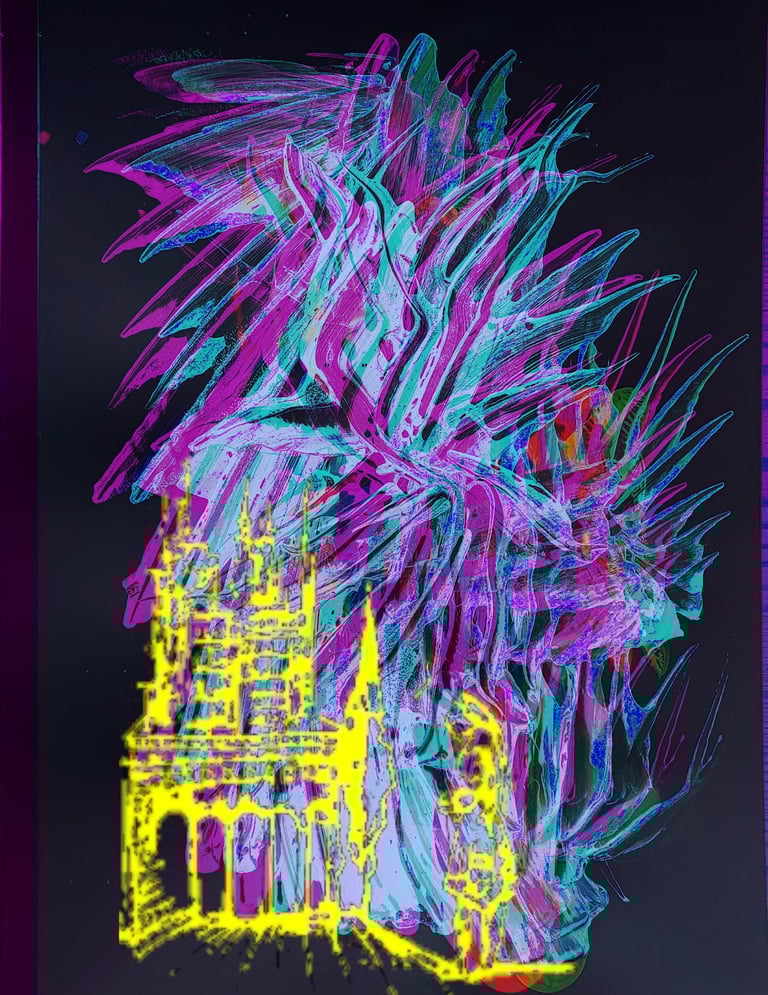
Vogelschwarm auf Kallisto




Paradiso
Divina Commedia 21
Reise zu einem
surrealistischen
Planeten


email: ceng1@gmx.de © 2026 - All rights reserved.
Das Ende der Reise - Aufstieg zum Empyreon