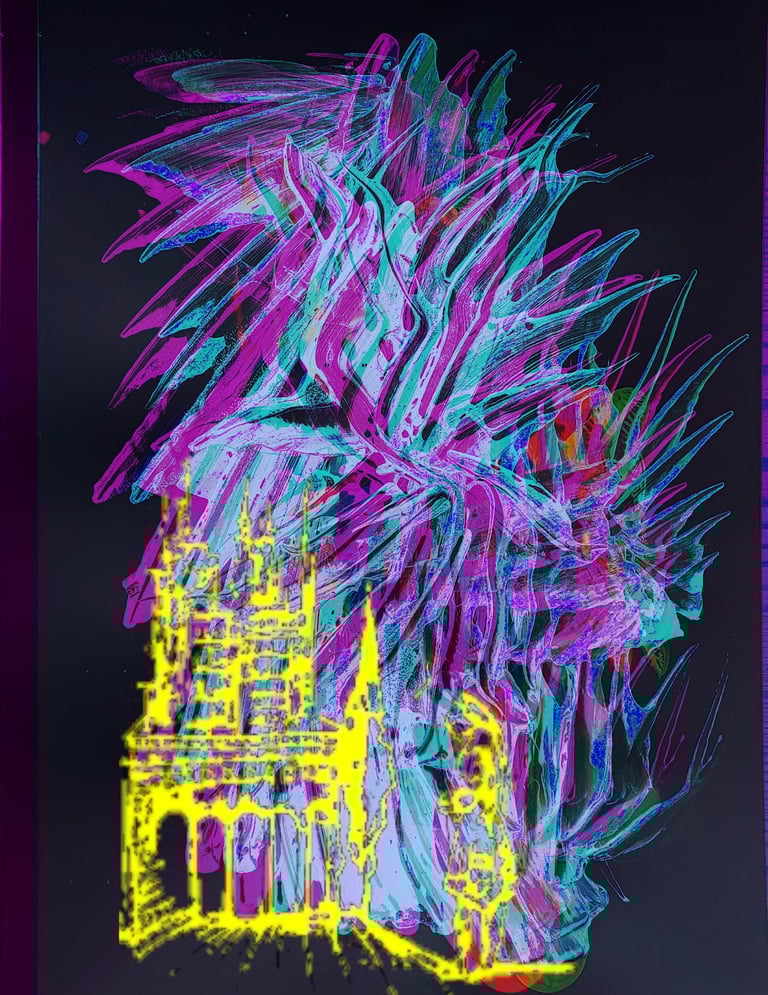
Weltkulturerbe - Zivilisationen kennen lernen



Reisen 2026
Die Vielzahl der Möglichkeiten des Reisens
erlaubt im 21. Jahrhundert
das globale Weltkulturerbe zu erleben.
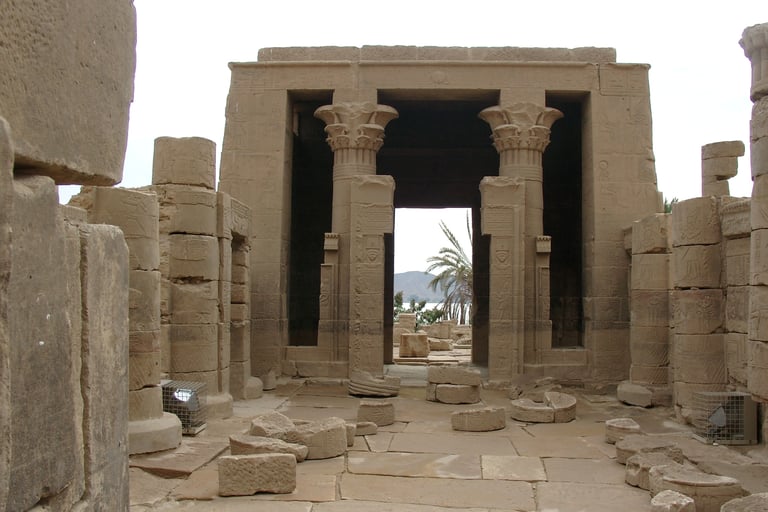

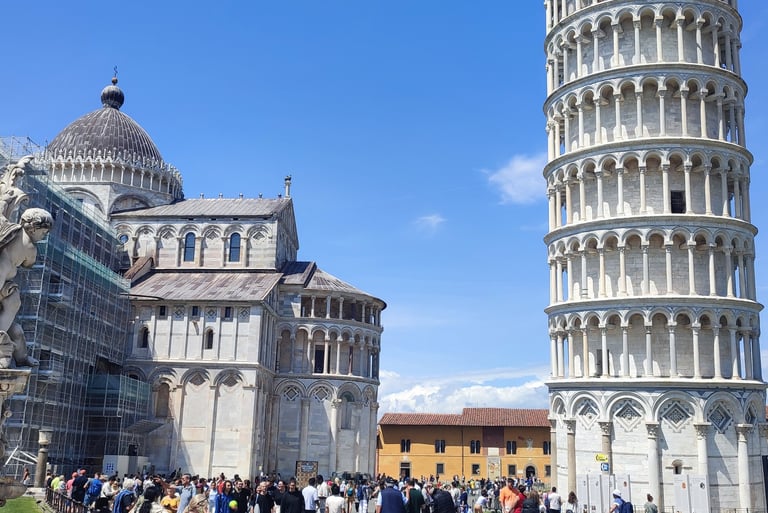

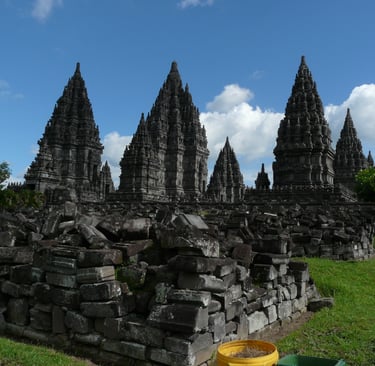


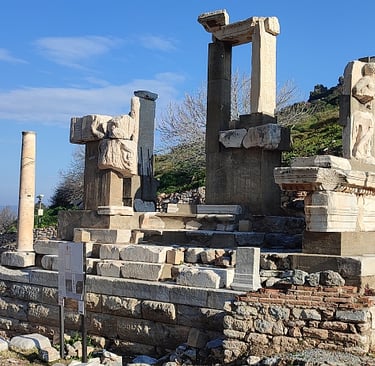
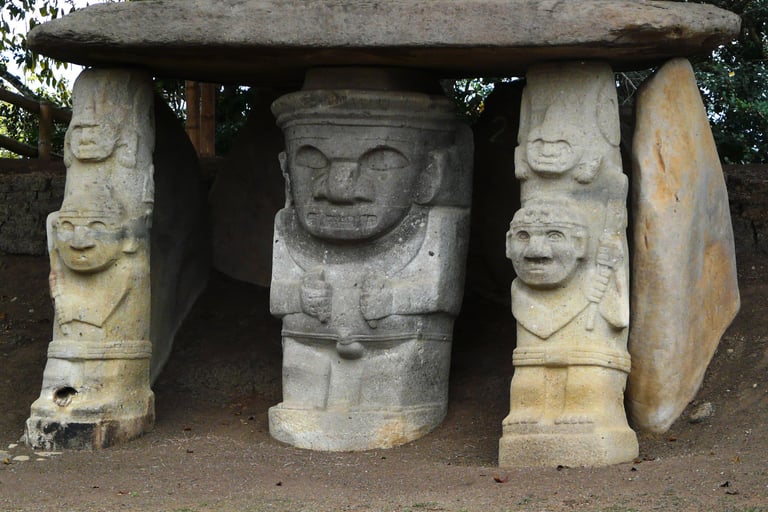
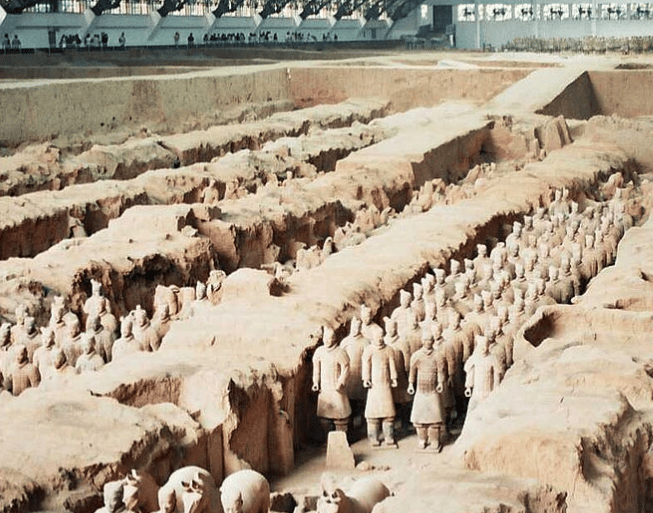
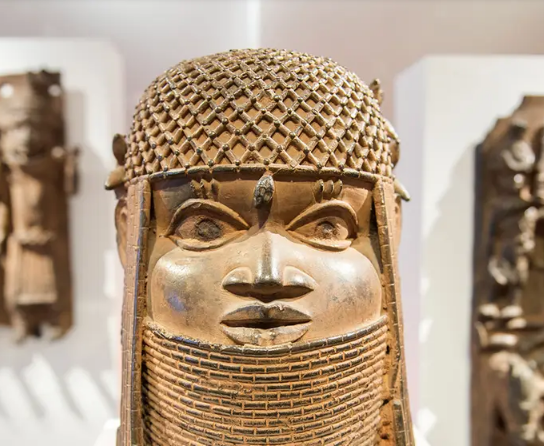
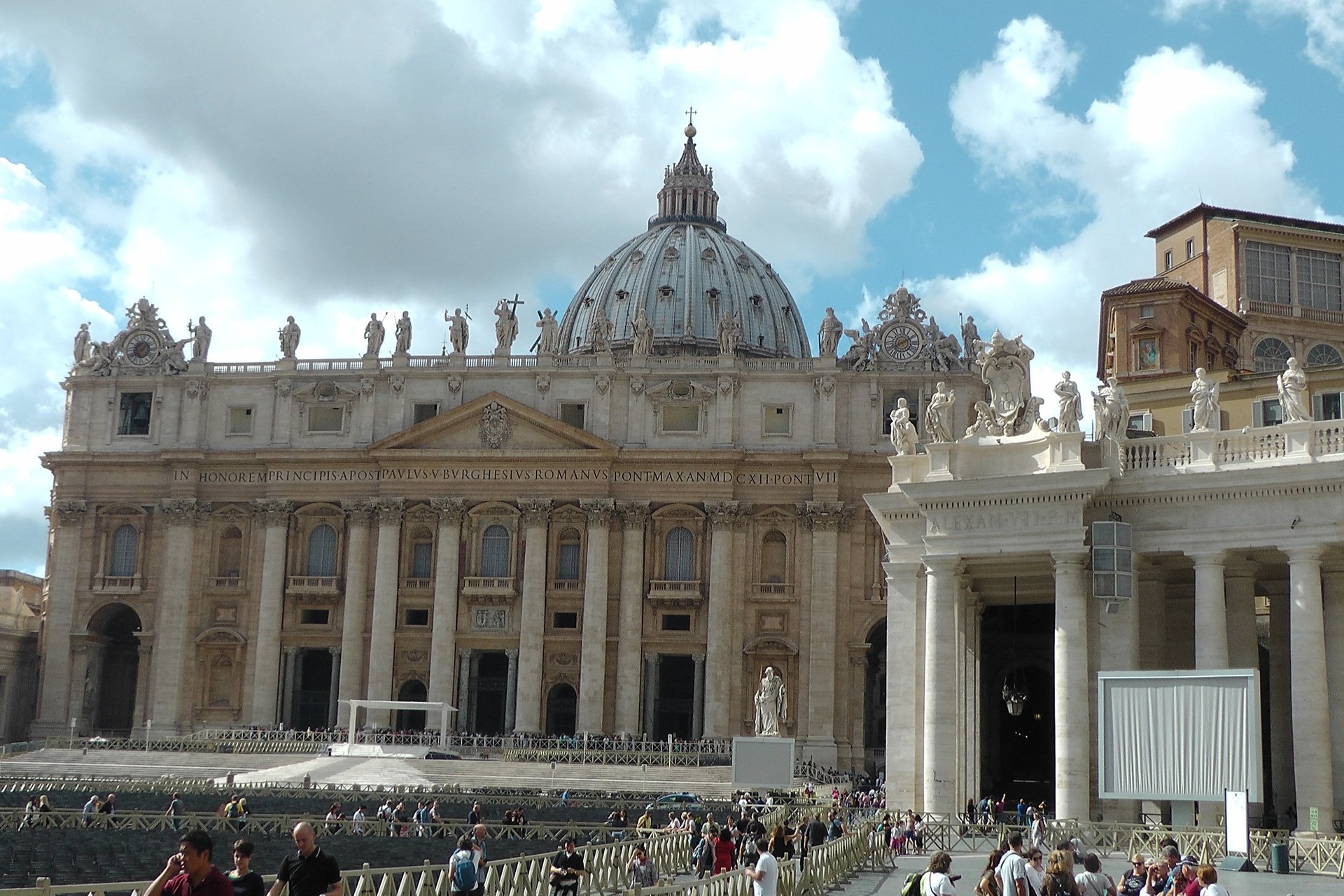
Autoren berichten über Reisen zu Stätten des Weltkulturerbes
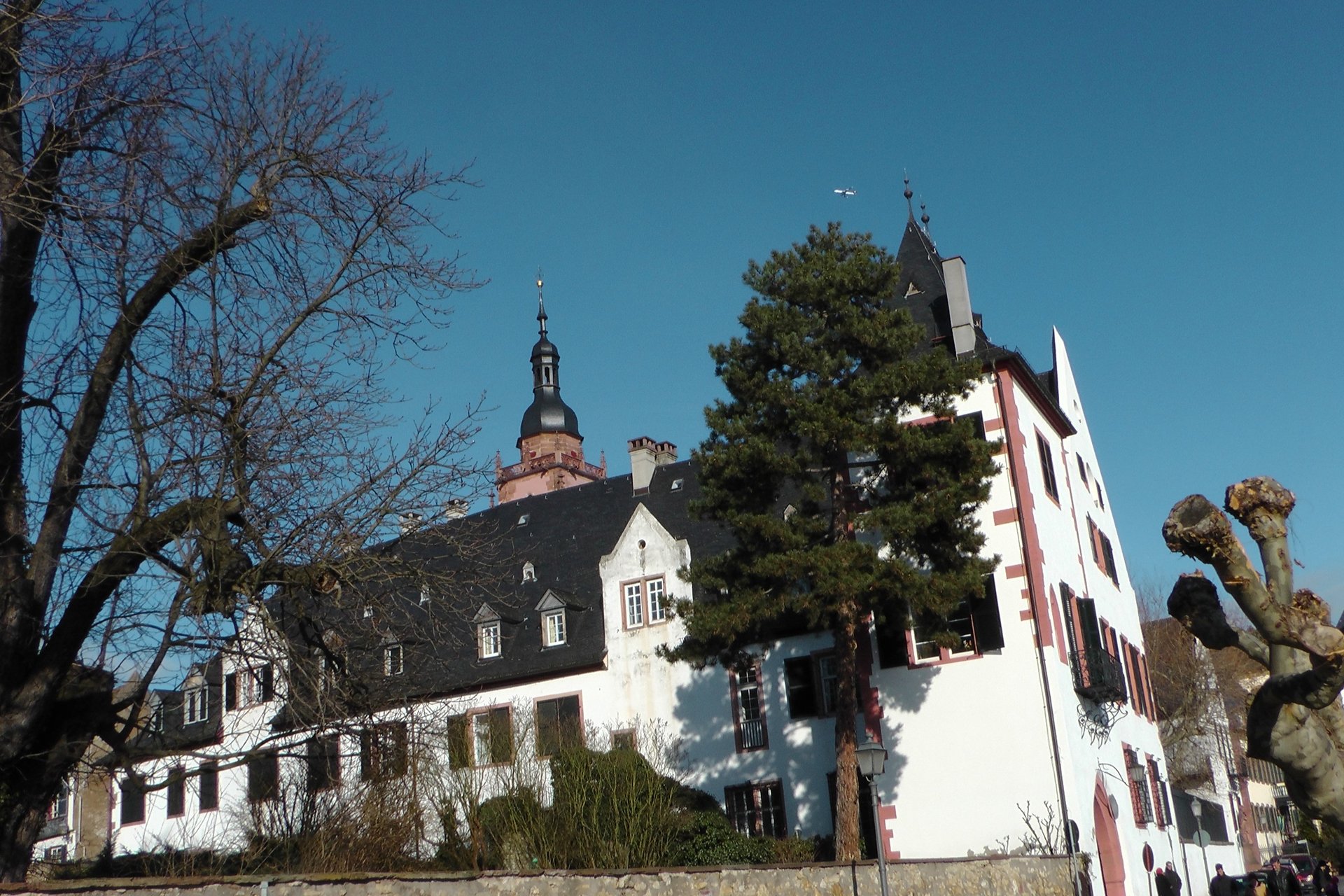
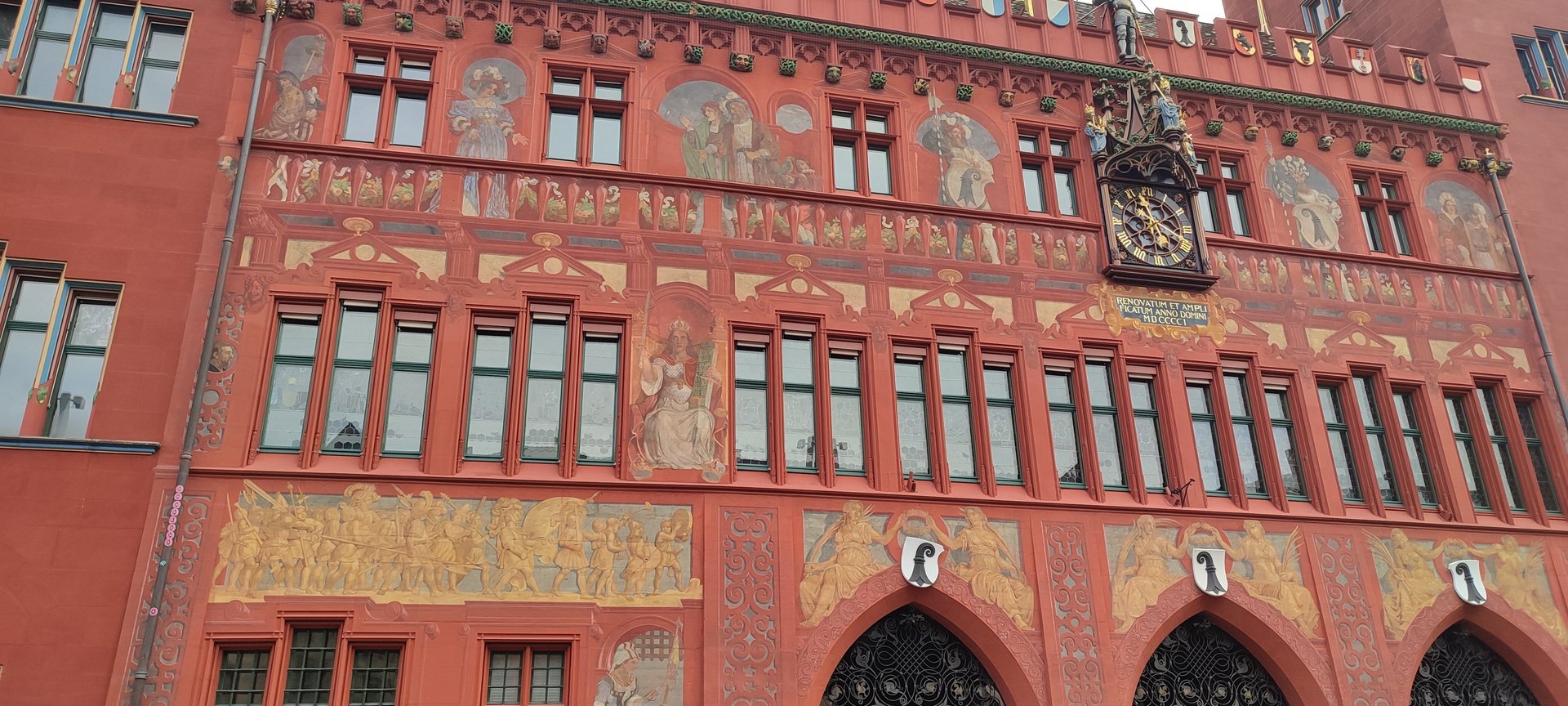
Basel, Freiburg, Straßburg Karlsruhe
coming
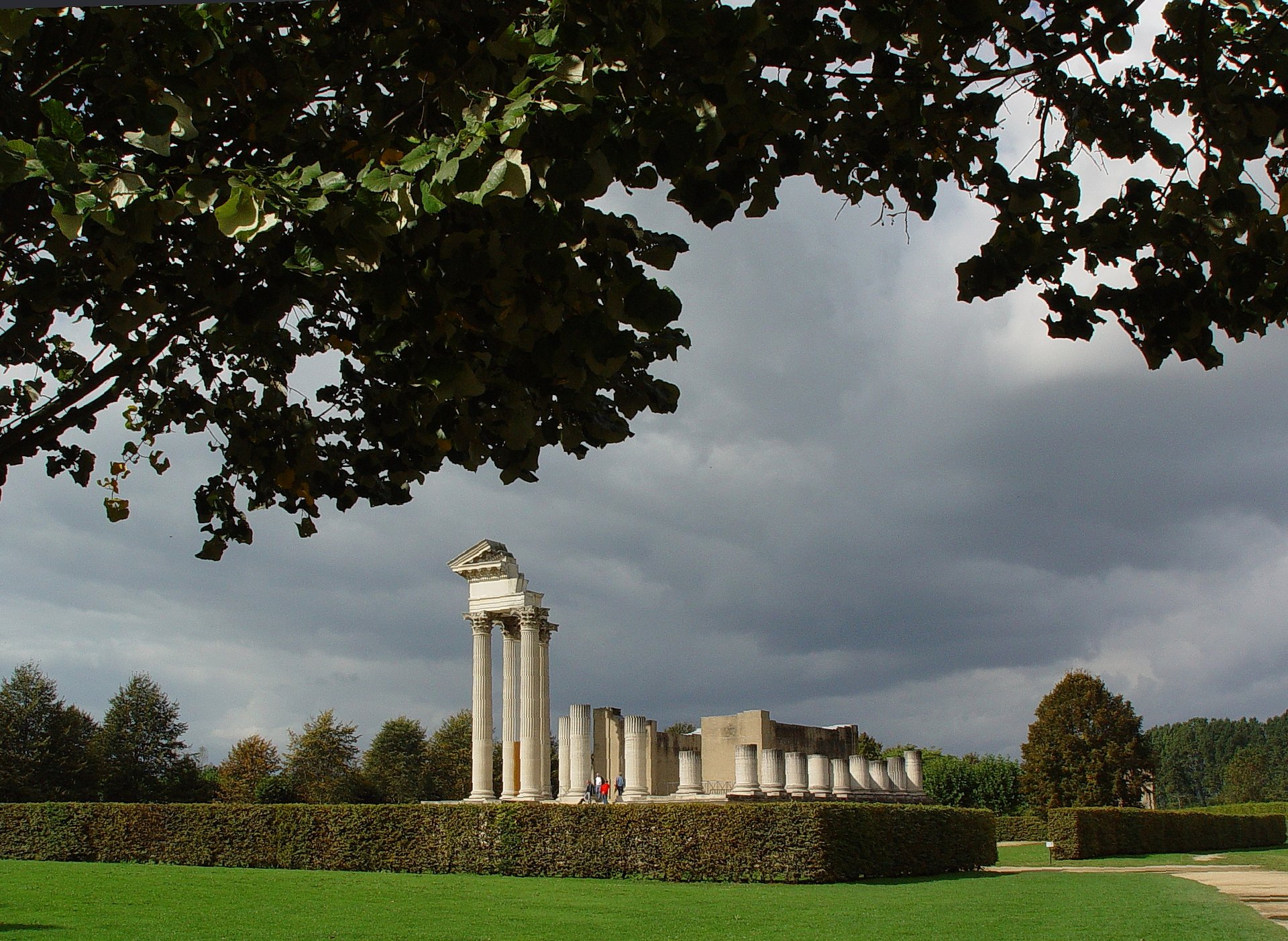
Aachen, Köln, Trier, Xanten
coming
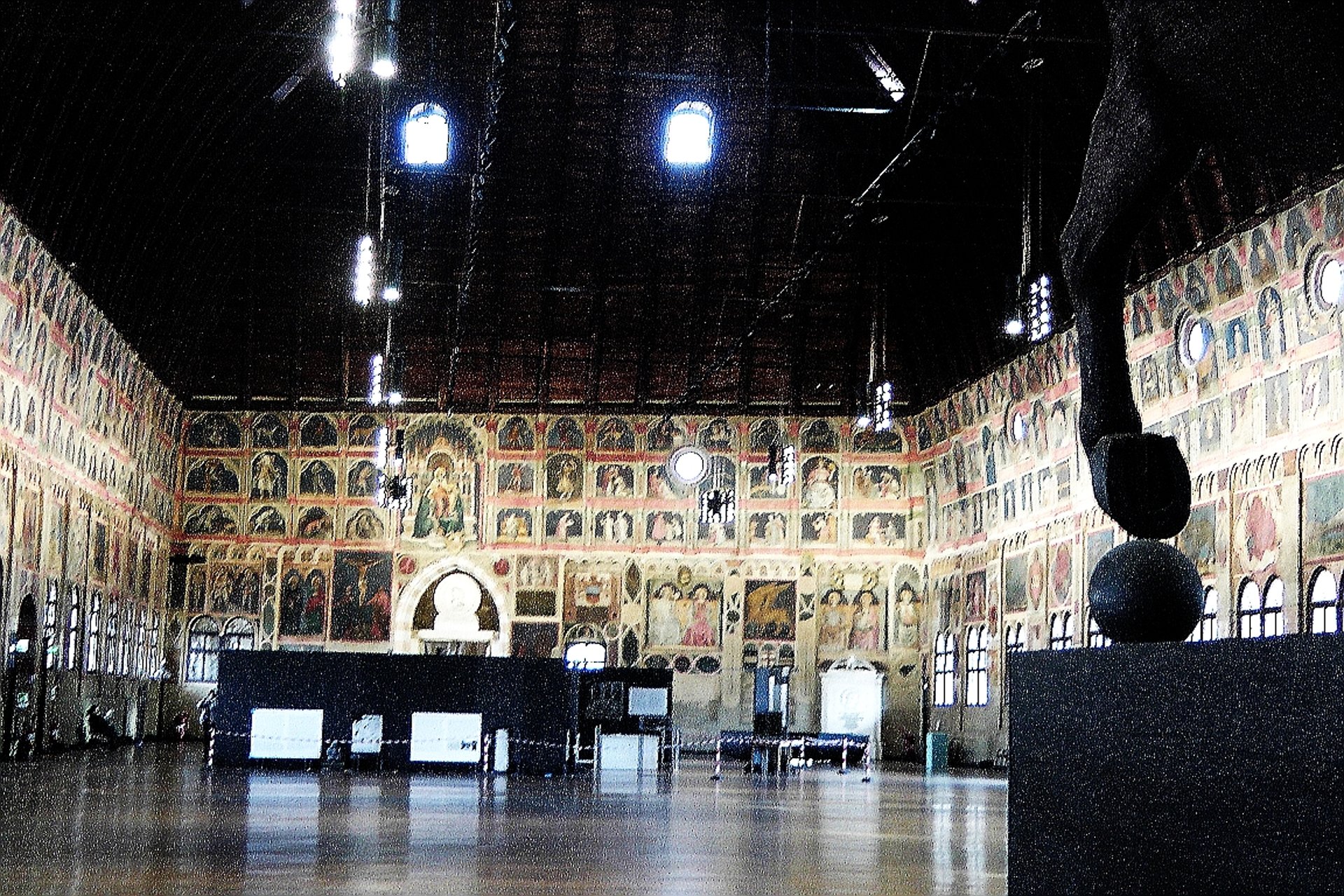
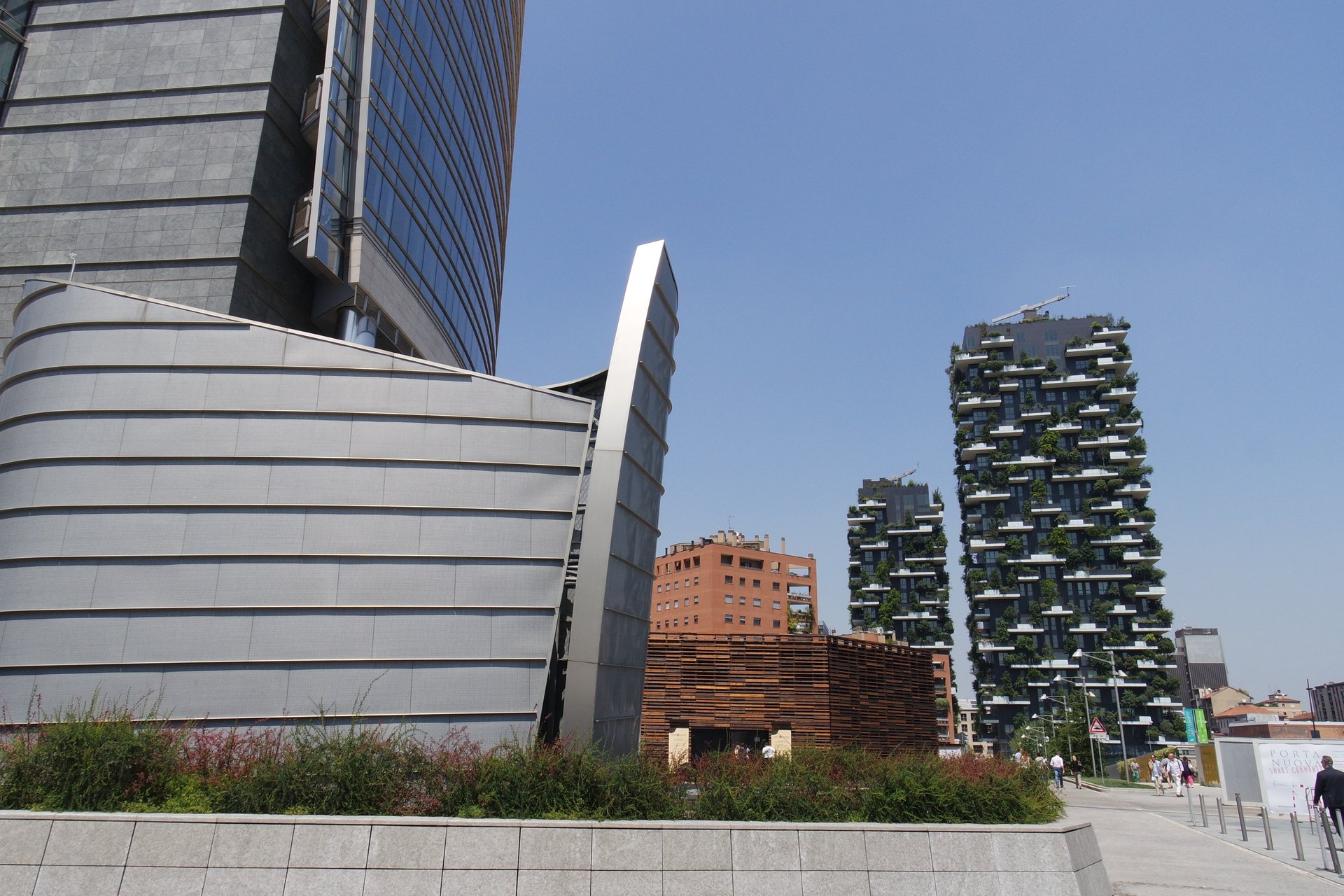
Mailand, Toskana
coming

Die Insel La Palma mit der Hauptstadt Santa Cruz auf der Schiffroute nach Amerika, Afrika und Asien eine Zwischenstation des Handels und der Missionstätigkeit
Die Kanarischen Insel liegen strategisch exakt auf dem Schnittpunkt der Schiffrouten zu allen Kontinenten. Zudem ermöglichen die nahezu kontinuierlichen Passatwinde einen nahezu perfekten Antrieb des Segelschiffe.
Christoph Kolumbus hatte dies frühzeitig erkannt, dass Passatwinde einen höchst effiziente Antrieb für Reisen nach Westen darstellen.
Wenn die Entdeckung Amerikas auch schon 1000de Jahre vor ihm stattfand, so gilt er dennoch
zurecht als Entdecker, da die Kolonisierung und Missionierung des Kontinents durch ihn abgestoßen wurde.
La Palma, eine der kanarischen Inseln, spielt eine besonders interessante Rolle in der Geschichte des Handels und der Missionstätigkeit zwischen Europa und den Kontinenten Amerika, Afrika und Asien. Mit ihrer Hauptstadt Santa Cruz de La Palma war die Insel strategisch gelegen und diente als wichtige Zwischenstation für Schiffe, die diese Handelsrouten befuhren. Die geografische Lage von La Palma im Atlantischen Ozean und der nahezu ewige Frühling machte sie zu einem idealen Anlaufpunkt für seefahrende Nationen, die auf dem Weg zu den neuen Weltmärkten in Amerika und den reichen Rohstoffen Afrikas und Asiens waren.
Die Insel bot nicht nur einen geschützten Hafen, sondern auch Frischwasser, Nahrungsmittel und andere lebenswichtige Ressourcen für die Reisenden. Im 15. und 16. Jahrhundert, während des Zeitalters der Entdeckungen, erlebte La Palma einen wirtschaftlichen Aufschwung. Die spanischen Kolonialherren nutzten die Insel als Stützpunkt, um ihre Flotten für Überfahrten nach Amerika auszurüsten. In Santa Cruz wurden Geschäfte abgewickelt, Waren umgeschlagen und neue Vorräte aufgeladen. Dies machte die Stadt zu einem geschäftigen Handelszentrum. Darüber hinaus war La Palma auch ein Ort der Missionstätigkeit.
Die katholische Kirche, die eine bedeutende Rolle in der Erschließung und Christianisierung neuer Territorien spielte, nutzte die Insel, um Missionare und Geistliche nach Amerika, Afrika und Asien zu entsenden. Diese Missionare wurden zielstrebig für ihre Aufgaben im Geiste des Franz von Asissi ausgebildet und waren oft verantwortlich für die Gründung von Missionen und die Ausbreitung des Christentums in neuen Ländern.
Die Handels- und Missionsaktivitäten hatten nicht nur wirtschaftliche und religiöse Auswirkungen, sondern trugen auch zur kulturellen Vermischung bei. Die Einwohner von La Palma kamen in Kontakt mit verschiedenen Kulturen, Sprachen und Traditionen, die durch die Seefahrer und Handelsreisenden auf die Insel gebracht wurden. Dies führte zu einer Vielzahl von kulturellen Einflüssen, die bis heute in der lokalen Kultur und Traditionen sichtbar sind. In der heutigen Zeit kann man noch immer die Spuren dieser historischen Bedeutung in Santa Cruz de La Palma und auf der gesamten Insel nachvollziehen. Viele Museen und historische Stätten zeugen von der reichen Geschichte, die La Palma als Handels- und Missionsstation geprägt hat. Insgesamt bleibt La Palma, mit ihrer strategischen Lage und reichen Geschichte, ein faszinierendes Kapitel der maritimen Handelsgeschichte zwischen Europa, Amerika, Afrika und Asien.
Die Geschichte des Franziskaner Klosters in Santa Cruz de la Palma. Die Verbindungen nach Asissi, Mittelamerika, Afrika und Asien ?
Das Franziskanerkloster in Santa Cruz de la Palma ist nicht nur ein bedeutendes religiöses Gebäude auf den Kanarischen Inseln, sondern auch ein harmonisches Beispiel für die Verflechtungen zwischen Europa und anderen Teilen der Welt, insbesondere Asien, Afrika und Mittelamerika. Um die Geschichte dieses Klosters und seine Verbindungen zu verstehen, ist es wichtig, einen Blick auf die Ursprünge des Franziskanerordens und seine Missionstätigkeiten im Laufe der Jahrhunderte zu werfen.
Die Anfänge des Franziskanerordens Der Franziskanerorden wurde 1209 von Franz von Assisi gegründet, der im Herzen seiner Lehre die Absolutheit der Nachfolge Christi und das Leben in Armut und Demut betonte. Dieser Orden breitete sich schnell über ganz Europa aus, und die Franziskaner wurden bekannt für ihre missionarische Tätigkeit, die sich auch außerhalb des europäischen Kontinents erstreckte.
Das Kloster in Santa Cruz de la Palma Das Franziskanerkloster in Santa Cruz de la Palma wurde erst im 17. Jahrhundert erbaut und ist aber ein eindrucksvolles Beispiel für die religiöse Architektur dieser Zeit. Mit der idyllischen Lage der Insel des ewigen Frühlings und der spirituellen Atmosphäre zog das Kloster sowohl Gläubige als auch Reisende an. Die Anlage war nicht nur ein Ort der Anbetung, sondern auch ein kulturelles Zentrum, das die Integration von verschiedenen Kulturen und Traditionen in der Region förderte.
Die Verbindung zu Assisi ist offensichtlich im Geiste und der Mission des Franziskanerordens. Abgesehen von den direkten geistlichen Verbindungen gab es auch regelmäßige Pilgerreisen und Austauschprogramme zwischen anderen Klöstern und dem Hauptsitz in Assisi. Die Mönche in Santa Cruz trugen die Lehren und Bräuche von Franz von Assisi in die Neue Welt und bewahrten gleichzeitig die Traditionen und die Spiritualität des Ordens, die ihre Ursprünge in Italien hatten.
Verbindungen nach Mittelamerika
Der Einfluss des Franziskanerordens auf Mittelamerika ist erheblich. Die Brüder folgten der Kolonialisierung und Missionierung in den neuen Ländern, um die indigenen Völker zu bekehren und zu evangelisieren. Im 16. und 17. Jahrhundert entstanden zahlreiche Franziskanerklöster in Mexiko und Mittelamerika.
Es ist sehr wahrscheinlich, dass das Kloster in Santa Cruz auch in diesem Kontext eine Rolle spielte, indem es Wissen, Gebete und sogar Materialien mit anderen Missionsstationen in der Neuen Welt teilte.
Franziskaner aus Santa Cruz reisten nach Mittelamerika, um dort zu lehren, zu evangelisieren und Gemeinden zu gründen.
Verbindungen zu Afrika Die Franziskaner waren auch in Afrika präsent, wo sie das Christentum unter den Menschen verbreiteten. Diese Verbindungen sind besonders interessant, da sie nicht nur einen religiösen, sondern auch einen kulturellen Austausch zwischen Ländern und Völkern förderten. Mönche aus Santa Cruz könnten an Missionen in Afrika teilgenommen haben, um sich mit den dort lebenden Kulturen auseinanderzusetzen und zu versuchen, das Evangelium in einer respektvollen Weise zu verbreiten. Es ist gut dokumentiert, dass Afrika für viele europäische Missionare eine Herausforderung darstellte, aber auch eine Gelegenheit bot, den Geist des Franziskus von Assisi zu leben.
Verbindungen zu Asien Asien war ein weiteres Gebiet, wo der Franziskanerorden seine Spuren hinterließ. Die Mönche waren in den 16. und 17. Jahrhunderten besonders aktiv in den Philippinen sowie in Teilen Indiens und Chinas. Die Verbindungen zwischen dem Kloster in Santa Cruz und diesen asiatischen Regionen sind weniger direkt dokumentiert, doch ist es möglich, dass Wissen und Materialien nach Santa Cruz flossen, die die Franziskaner über ihre Reisen und Missionstätigkeiten erlernten. Diese Informationen könnten dann verwendet worden sein, um das Wachstum des Glaubens und die kulturelle Bildung in Santa Cruz zu fördern.
Fazit Das Franziskanerkloster in Santa Cruz de la Palma ist ein bedeutendes Beispiel für die weitreichenden Verbindungen des Franziskanerordens mit anderen Kontinenten und Kulturen. Durch die Reisen und Missionstätigkeiten der Franziskaner konnten sie nicht nur das Christentum verbreiten, sondern auch einen kulturellen Austausch zwischen Europa, Mittelamerika, Afrika und Asien ermöglichen. Die Geschichte des Klosters ist untrennbar mit dem Erbe von Franz von Assisi verbunden, dessen Ideale auch heute noch in den Herzen der Gläubigen widerhallen. Die Mönche von Santa Cruz trugen entscheidend dazu bei, dass das Erbe des Ordens bis in die Gegenwart lebendig bleibt und neuen Generationen zugänglich gemacht wird
The island of La Palma, one of the stunning Canary Islands, holds a significant place in the history of maritime trade and missionary activity during the age of exploration. Its capital, Santa Cruz de La Palma, was strategically situated on the shipping routes connecting Europe to the Americas, Africa, and Asia, making it a vital stopover for merchants and missionaries alike. During the 15th to 17th centuries, as European powers expanded their empires, the Canary Islands became crucial waypoints for ships embarking on long voyages across the Atlantic and beyond. The position of La Palma provided a convenient rest and resupply location for ships, allowing crews to gather fresh provisions, repair their vessels, and navigate the treacherous waters of the Atlantic Ocean. Santa Cruz de La Palma was developed as a bustling port city, where sailors from various nations mingled, exchanging not only goods but also ideas and cultures. This melting pot was enriched by the presence of traders from Spain, Portugal, and even further afield, as they transported commodities such as sugar, spices, and, unfortunately, slaves, sourced from Africa and the Americas. The island's strategic location thus facilitated significant economic exchanges that contributed to the burgeoning trade networks of the time. In addition to trade, La Palma also played a role in the missionary efforts undertaken by various religious organizations. The arrival of European missionaries on the islands was often linked with the broader goals of colonial expansion, as they sought to convert indigenous populations to Christianity. The missionaries made stops in Santa Cruz to organize their missions and prepare for journeys to the New World and other territories. Their work extended to the surrounding islands and conquests, establishing churches and educational institutions that would leave an enduring impact on the local population. La Palma’s lush landscapes and abundant natural resources made it an attractive destination for settlers and missionaries alike. Not only did they seek to convert and educate the locals, but they also aimed to cultivate the land and promote European agricultural techniques. As a result, the island began to see the transplantation of European agricultural practices, leading to the establishment of plantations that primarily focused on sugar production—an industry that brought significant wealth to the region. Over the centuries, Santa Cruz de La Palma continued to flourish, its significance as a commercial hub evolving but not diminishing. Although the focus shifted as trade routes changed and the age of exploration waned, the legacy of La Palma as a vital crossroads of trade and mission work endures. In contemporary times, visitors to La Palma can still observe remnants of this rich history in the architecture, culture, and traditions that permeate the island. The historical edifices and churches that dot the landscape are testimonies to the island’s vibrant past and the once-thriving port that was fundamental to the transoceanic exchanges of earlier centuries. The rich tapestry of cultural influences, born from centuries of intersection and interaction, reflects its unique position as a gateway between continents. In conclusion, La Palma, with its capital Santa Cruz, was far more than just a stopover; it was a crucial hub for commerce and missionary activity that shaped not only the Canary Islands but also contributed to the broader narratives of global trade and cultural exchange during a transformative era in world history.
The history of the Franciscan convent in Santa Cruz de la Palma is a fascinating narrative that interweaves the rich tapestry of religious, cultural, and geographical connections that span continents. Founded in the early 18th century, this convent stands as a testament to the enduring legacy of the Franciscan Order, which traces its origins back to Saint Francis of Assisi in the early 1200s. This austere and humble figure not only revolutionized the Catholic Church’s approach to poverty and humility but also inspired countless followers to spread the message of peace and charity worldwide. As the Franciscans embarked on their mission of evangelization, they set out to reach areas far beyond their Italian roots. This is particularly evident in the formation of communities in the New World, Africa, and Asia, each contributing to the global reach of the Order in unique ways.
Connection to Assisi
The Franciscan Order was established in Assisi, Italy, by Saint Francis, who emphasized a lifestyle of poverty, simplicity, and fraternity. His teachings had a profound influence on Christianity, laying the groundwork for not just monastic life but also a deep commitment to serving those in need. The Franciscans maintained a strong connection to Assisi through their values and practices. In fact, many of the early missionaries who journeyed to remote locations, including those who arrived in Santa Cruz de la Palma, were sent from Assisi or other Franciscan centers in Italy, perpetuating the Order's mission across the seas.
Expansion to the Americas
The exploration of the Americas in the 16th century provided fertile ground for Franciscan growth. The first Franciscans arrived in Mexico in 1524, laying the foundation for missions that would soon spread throughout the continent. In Santa Cruz de la Palma, this influence manifested itself in the establishment of the convent, which became a focal point for evangelization and education within the Canarian society. The Franciscans not only sought to convert indigenous populations but also played pivotal roles in education, agriculture, and the arts. Their agricultural innovations helped combat food scarcity, while their schools promoted literacy and cultural exchange. Moreover, the Franciscan Order organized missions across Central and South America, guiding thousands to the faith while leaving an indelible mark on local cultures. The intertwining of Franciscan principles with indigenous traditions led to a unique fusion of beliefs, seen in festivals, art, and community practices across the region.
Links to Africa
The connections of the Franciscan Order extended beyond the Americas to Africa, where they were involved in missionary activity as well. By the 17th century, Franciscans were active in several African nations, including Morocco, where they sought to engage with the Muslim population. Their efforts mirrored the broader European interaction with the continent, characterized by both trading and conversion. In Santa Cruz, there were often exchanges of ideas, practices, and artifacts that stemmed from these religio-cultural encounters. The Franciscans in the Canaries, including Santa Cruz de la Palma, acted as a bridge between the spiritual endeavors in Africa and the emerging cultural landscape of the New World.
Presence in Asia
The outreach of the Franciscans was not limited to the Americas and Africa but also reached into Asia. The 16th and 17th centuries saw an influx of Franciscan missionaries in regions like present-day India and the Philippines, where they faced different challenges in a multi-religious environment. Similar to their work in the Americas, the Franciscans in Asia focused on education and health, establishing schools and clinics that served local populations regardless of their religious affiliations. The influence of these missions was felt worldwide and even reached Santa Cruz de la Palma indirectly through trade and global migration patterns. Franciscans often returned from their missions with newfound knowledge, artifacts, and stories that enriched local culture. This revelatory aspect further bonded the Canaries to a larger global community centered around the ideals of compassion and humility propagated by Saint Francis.
Today, the Franciscan convent in Santa Cruz de la Palma stands not only as a historical monument but also as a cultural beacon that highlights the global interconnections initiated by the Order. Its architecture reflects a blend of local styles influenced by the various regions with which the Franciscans interacted. Moreover, the legacy of their missions is preserved through local traditions, celebrations, and an enduring commitment to community service. In summary, the history of the Franciscan convent in Santa Cruz de la Palma is a compelling narrative of faith, exploration, and cultural interchange. From its roots in Assisi to its impacts in the Americas, Africa, and Asia, the Franciscans have left an indelible mark on the world, fostering a spirit of tolerance, understanding, and compassion that continues to resonate today.
La isla de La Palma, situada en el archipiélago de las Islas Canarias
La isla de La Palma, conocida como la "Isla Bonita" del archipiélago canario, se ubica en el océano Atlántico, donde su geografía montañosa y su paisaje verde ofrecen un contraste fascinante con las otras islas del archipiélago. Su capital, Santa Cruz de La Palma, no solo es un bello destino turístico por su arquitectura colonial y su ambiente acogedor, sino que también ha tenido un papel crucial en la historia como punto de escala en las rutas marítimas hacia América, África y Asia. Durante la época de los grandes navegantes y en el auge del comercio marítimo, La Palma se convirtió en una estación intermedia estratégica para los barcos que cruzaban el Atlántico. Su puerto natural ofrecía un resguardo seguro donde las embarcaciones podían reabastecerse, repararse y descansar antes de continuar sus travesías. Las rutas comerciales que conectaban Europa con el Nuevo Mundo, así como con las costas africanas y asiáticas, hicieron de esta isla un punto neurálgico en el comercio de productos como azúcar, tabaco y especias. Además de su función comercial, La Palma también asumió un rol significativo en la misión evangelizadora de la época. Con la llegada de los colonizadores españoles, la isla se convirtió en una plataforma desde la cual se impulsaron expediciones y misiones para cristianizar a las poblaciones indígenas de América. Los misioneros que partían desde Santa Cruz de La Palma llevaban consigo no solo el deseo de propagar la fe cristiana, sino también la cultura y la lengua españolas, dejando una huella que perduraría en el tiempo. La influencia de La Palma en el comercio y las misiones se manifiesta aún en la actualidad. Sus festividades, su gastronomía y su cultura reflejan una rica mezcla de tradiciones que fueron traídas por los habitantes de diversas partes del mundo. A medida que la navegación y el comercio evolutivos desde la era colonial, la isla se ha adaptado, continuando siendo un lugar atractivo tanto para turistas como para investigadores que desean comprender su papel en la historia global. En resumen, La Palma y su capital, Santa Cruz, no son solo un hermoso destino vacacional, sino que también son testimonios de la rica historia del comercio y la misión desde el viejo continente hacia tierras lejanas en América, África y Asia. Su legado sigue vivo en la cultura y las tradiciones de sus habitantes, convirtiéndola en un lugar donde la historia, la naturaleza y la modernidad coexisten en armonía.
La isla, ha tenido un papel significativo en la historia marítima, especialmente en el contexto de las rutas comerciales que conectaban Europa con América, África y Asia. La capital de la isla, Santa Cruz de La Palma, se erigió como un importante punto de escala en estas rutas, sirviendo tanto al comercio como a actividades de misión. Desde su descubrimiento en el siglo XV, La Palma se convirtió en una parada esencial para los barcos que navegaban hacia el continente americano. Los navegantes de la época utilizaban la isla como un lugar de descanso, abastecimiento de agua y provisiones. Su localización estratégica en el Océano Atlántico facilitaba tanto el comercio intercontinental como el intercambio cultural y religioso. Durante el auge del comercio transatlántico, Santa Cruz se consolidó como un núcleo comercial. Los mercaderes europeos, que transportaban mercancías desde y hacia América, hacían escala en el puerto de la ciudad. Gracias a su puerto natural, Santa Cruz no solo sostenía el comercio de azúcar, tabaco y otros productos, sino que también se convirtió en un centro de distribución para productos provenientes de otros puntos del mundo, como especias y metales preciosos de Asia. Las actividades misioneras de la iglesia también florecieron en este contexto. A medida que los exploradores y conquistadores españoles llegaban a América, la Iglesia Católica envió misioneros desde Santa Cruz para llevar el cristianismo a las nuevas tierras. Estos misioneros a menudo pasaban por La Palma para recibir formación y abastecimiento antes de continuar su viaje hacia el Nuevo Mundo. Se establecieron misiones en América con la ayuda de recursos que las islas ofrecían, creando un vínculo entre las prácticas religiosas de la península y el desarrollo de comunidades en las colonias. A lo largo de los siglos, el comercio y la misión se entrelazaron en La Palma, y su puerto se convirtió en un escenario donde diferentes culturas e ideologías se encontraban. La diversidad que resultó de estos intercambios dejó una huella en la identidad cultural de la isla, que aún se refleja en la actualidad. En resumen, La Palma y su capital, Santa Cruz, no solo fueron una simple parada en las rutas marítimas hacia América, África y Asia; jugaron un papel crucial en el comercio y la difusión de la fe, convirtiéndose en un cruce de caminos que facilitó el intercambio y la cooperación entre diversos mundos.
La historia del monasterio franciscano en Santa Cruz de La Palma es un relato fascinante que teje conexiones a través de continentes y siglos. Fundado a finales del siglo XVI, este monasterio se estableció en la hermosa isla de La Palma, una de las islas que conforman el archipiélago canario, ubicado en el Océano Atlántico. Su fundación fue parte de un esfuerzo más amplio por los franciscanos, una orden religiosa dedicada a la propagación del cristianismo, de establecerse en regiones donde la fe podía difundirse y florecer. Los franciscanos tienen sus raíces en Asís, Italia, donde San Francisco comenzó su predicación en el siglo XIII. Su enfoque en la humildad, la pobreza y el amor por la naturaleza resonó con muchos, y su legado se extendió rápidamente por toda Europa y más allá. La influencia de Asís es palpable en el monasterio de Santa Cruz de La Palma, donde la arquitectura y el arte religioso reflejan las tradiciones franciscanas establecidas por San Francisco y sus seguidores. Uno de los pilares de la orden es la dedicación al servicio y la misión evangélica. A través de siglos, los franciscanos han buscado ir más allá de las fronteras y compartir su mensaje con otras culturas y regiones. En este contexto, el monasterio en La Palma sirvió como un punto de partida para misiones hacia el Nuevo Mundo. Durante el periodo de colonización de América Central, muchos frailes partieron de La Palma hacia las tierras de los mayas y aztecas, llevando consigo no solo la fe cristiana sino también conocimientos sobre agricultura, medicina y educación. La conexión del monasterio de Santa Cruz de La Palma con África se evidencia en sus misiones en la región. A medida que la orden expandía sus horizontes, algunos franciscanos se aventuraron a África, donde se establecieron en diversas misiones, buscando ayudar a la población local y promover la fe católica. Estas colaboraciones con culturas diferentes figuran en la rica tradición misionera de los franciscanos, quienes valoraban el respeto hacia las costumbres y creencias de los pueblos indígenas. Asia también fue un destino de interés para la orden franciscana. En el siglo XVI, cuando la unión entre Portugal y España facilitó la exploración y la conquista, los franciscanos comenzaron a enviar misiones a lugares como India y China. Aunque su presencia en Asia nunca fue tan consolidada como en América, la influencia de su trabajo en el continente fue significativa en la forma en que muchos veían la conexión entre la espiritualidad y la vida diaria. A través de los siglos, el monasterio de Santa Cruz ha sido testigo de distintos eventos históricos, incluyendo la llegada de nuevos colonizadores y la mezcla de culturas en La Palma, un crisol de tradiciones y creencias. Sus muros han guardado historias de auto-reflexión, liderazgo comunitario y un compromiso hacia la educación y la atención de los más necesitados. Los franciscanos en La Palma han fomentado la formación de convicciones en los jóvenes que asistieron al monasterio, muchos de quienes luego se convirtieron en líderes significativos en sus comunidades. Hoy en día, la herencia franciscana en Santa Cruz de La Palma sigue vivo en la vida de la comunidad. El monasterio es un lugar de paz y reflexión, además de ser un sitio histórico que atrae a visitantes interesados en la historia religiosa y la arquitectura canaria. Las conexiones con Asís, América Central, África y Asia continúan siendo un hilo conductor que une la misión original de la orden con su impacto global. En resumen, la historia del monasterio franciscano en Santa Cruz de La Palma no es solo una crónica local, sino un testimonio de la interconexión de la fe y la cultura a través de los siglos y continentes. A partir de Asís, los franciscanos han recorrido un camino que ha hecho eco en África, Asia y América Central, cada uno aportando su huella única a esta rica narrativa espiritual.


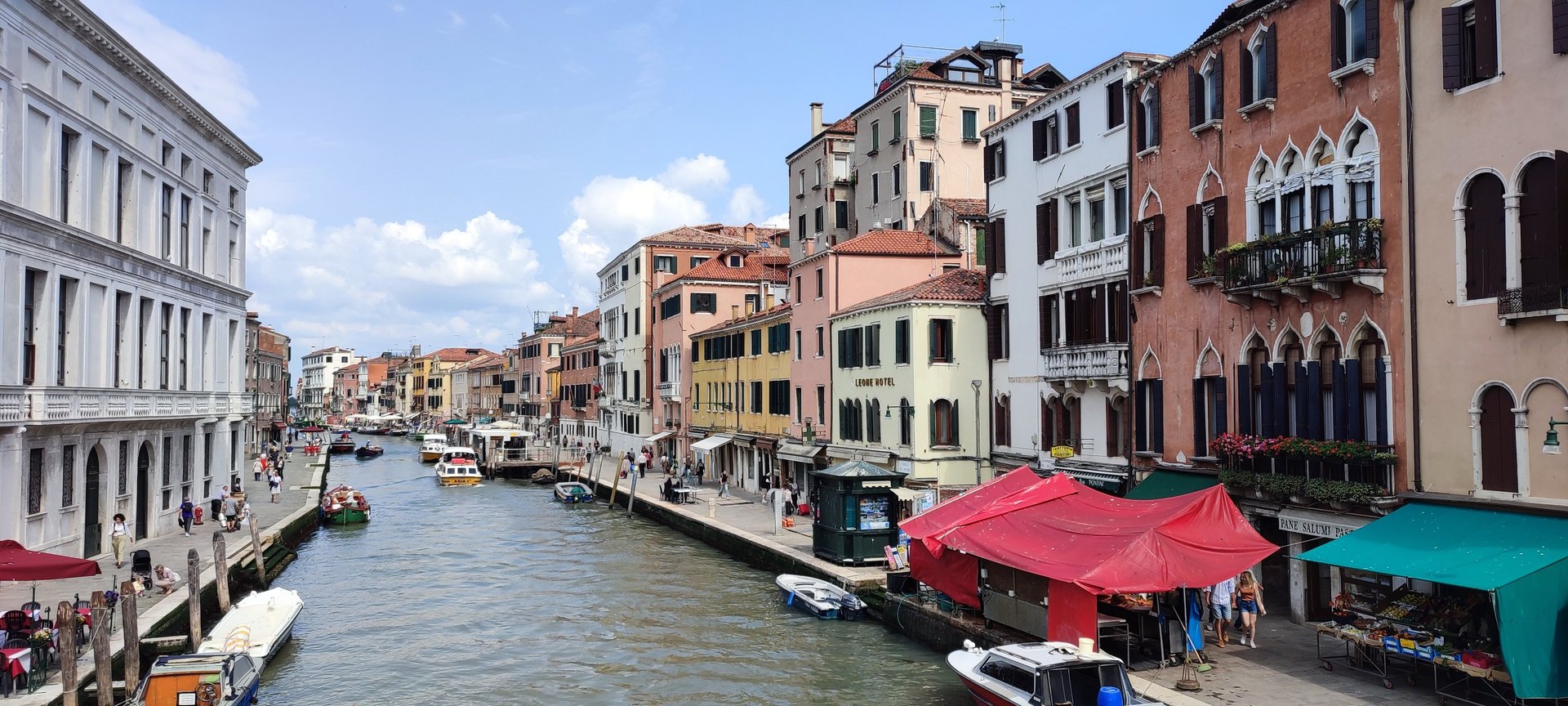
Vicenza, Venedig, Verona
coming
email: ceng1@gmx.de © 2026 - All rights reserved.
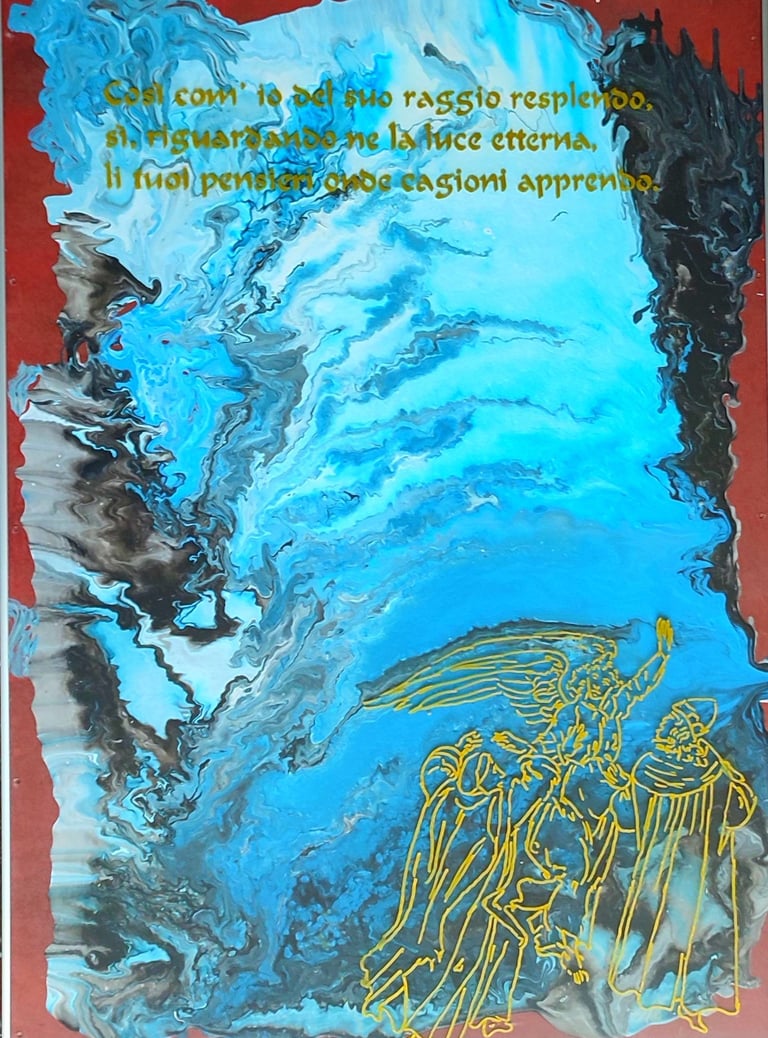
Das Ende der Reise - Aufstieg zum Empyreon